Emulsifier Science at ORY Haircare

Why This Page Looks Different From Our Skincare Version

In Skincare, nearly every leave-on step — cleanser, toner, serum, moisturizer — is built as an emulsion, so emulsifier science genuinely is the backbone of the formula. Haircare doesn’t work the same way, and we’d rather say that plainly than repeat the skincare story with different nouns.

Most of what makes a shampoo clean hair or a conditioner detangle it comes down to surfactant chemistry (cleansing) and cationic-charge chemistry (conditioning) — not emulsification. Emulsifiers still matter, but in a narrower, specific way: they give our richer conditioners, masks, and leave-in creams their stable, pleasant texture. That’s a real contribution worth explaining well — it just isn’t the same job emulsifiers do in a face lotion, and we’re not going to describe it as if it were.

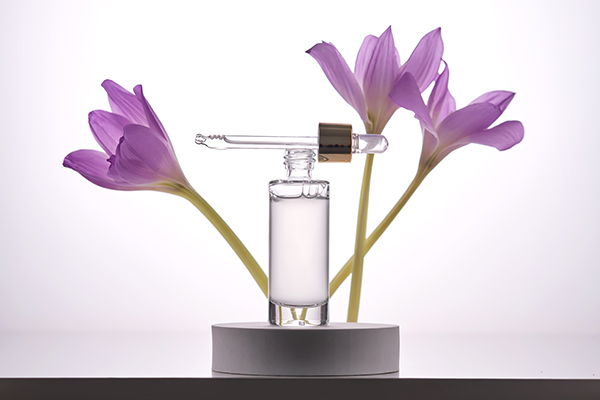
Glass serum dropper bottle containing a milky cosmetic emulsion displayed with purple botanical flowers, illustrating emulsifier science in ORY Skincare formulations.
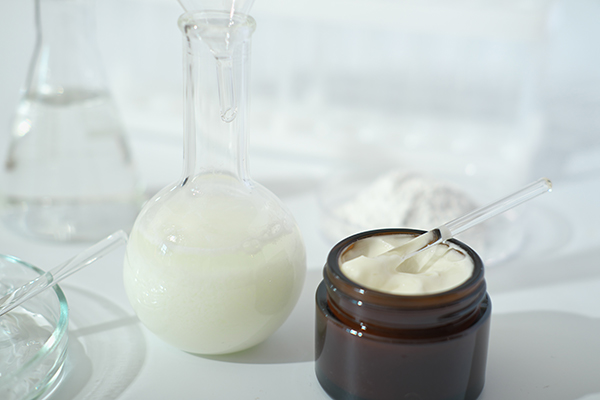
Laboratory glassware and cream formulation illustrating emulsifier science in skincare, blending oil and water phases for stable cosmetic emulsions.

Where Emulsification Actually Shows Up in a Hair Routine

Emulsifiers aren’t equally involved across every product in a routine. Here’s an honest breakdown by product type:

  • Shampoo: Mostly not an emulsion. A shampoo is primarily a surfactant micellar solution — cleansing surfactants self-assemble into micelles that lift oil and dirt off the hair and scalp, which is a different mechanism from oil-in-water emulsification. Some conditioning or “2-in-1” shampoos do contain a genuinely emulsified silicone or oil phase, stabilized so it survives rinsing and deposits conditioning benefit — this is a well-documented formulation challenge in the cosmetic-science literature, not a marketing add-on.
  • Rinse-Out Conditioner: A true oil-in-water emulsion, and the main place emulsifier science lives in our lineup. Cationic emulsifiers and fatty-alcohol co-emulsifiers combine to create a stable, spreadable base.
  • Deep Conditioning Mask: A richer emulsion, often leaning water-in-oil, where emulsifiers carry a higher oil load for cushioning and slip.
  • Leave-In Cream: A lightweight oil-in-water emulsion, similar in principle to a facial lotion but formulated for rinse-free wear.
  • Hair Oil / Serum: Typically anhydrous — no water phase at all, so no emulsifier is needed or used. Shine and frizz control here come from the oil’s own fatty-acid profile, not from emulsification.
  • Scalp Tonic / Serum: Usually an aqueous or hydro-alcoholic solution carrying water-soluble actives (like caffeine or niacinamide). No oil phase, so again, no emulsifier is doing the work.

What Emulsifiers Actually Contribute — and What They Don't

  • They contribute: physical stability (keeping oil and water from separating in the bottle) and sensory texture — the glide, cushion, richness, and rinse-out feel that make a conditioner or mask pleasant to use. Formulation and processing choices measurably change this “wet lubrication” feel in tribology and rheology testing of hair conditioners.
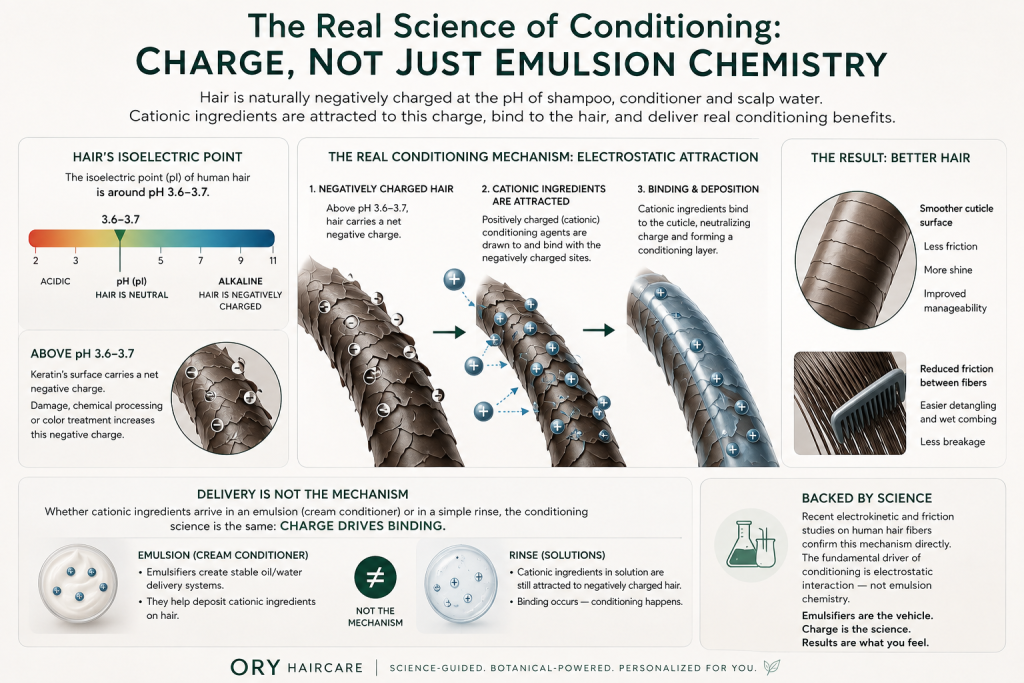
  • They do not, on their own, deliver conditioning: cuticle smoothing, detangling, and frizz/static reduction are functions of cationic charge neutralization, not emulsification. Human hair carries a net negative surface charge above roughly pH 3.6–3.7 (its isoelectric point), and cationic ingredients bind to that charge whether or not they’re delivered inside an emulsion — a cationic surfactant in a simple, non-emulsified rinse can measurably reduce hair-to-hair friction. The emulsifier’s job is to deliver that cationic ingredient in a nice-feeling package, not to do the conditioning itself.
  • They do not, on their own, deliver cleansing: that’s a function of the cleansing surfactant’s micelle-forming behavior, evaluated by its own HLB and critical micelle concentration — separate chemistry from the emulsifiers discussed on this page.
Laboratory glassware and cream formulation illustrating emulsifier science in skincare, blending oil and water phases for stable cosmetic emulsions.

Types of Emulsions (Where They Apply)

Within the subset of our products that are true emulsions — conditioners, masks, and leave-in creams — two structures matter:

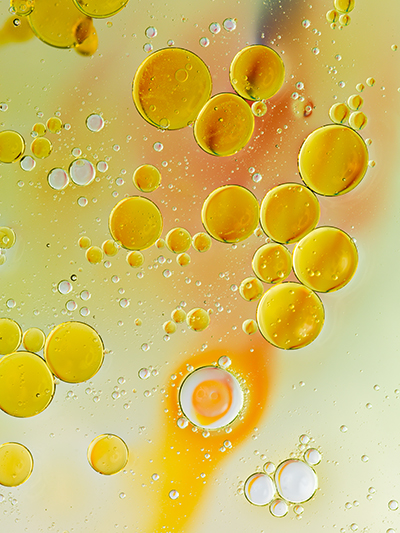
Golden oil droplets suspended in water illustrating emulsifier science and oil-water interaction in advanced skincare formulation.

Oil-in-Water (O/W)

Oil droplets dispersed in water, creating lightweight, rinse-clean conditioners and leave-ins suited to Fine & Oily or Color-Treated hair that can’t tolerate heaviness (e.g., our Lightweight Aloe + Niacinamide Conditioner).

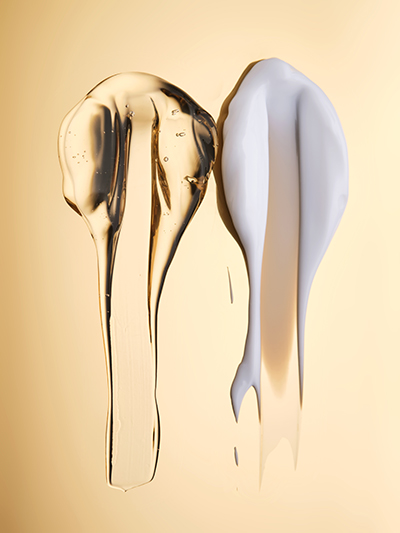
Transparent gel and creamy emulsion textures displayed side by side, illustrating oil-and-water interaction in emulsifier science for advanced skincare formulations.

Water-in-Oil (W/O)

Water droplets dispersed in oil, used for richer masks suited to Dry & Damaged or Curly & Coily hair (e.g., our Deep Repair Hair Mask with shea and argan oils).

ORY’s Plant-Based Emulsifying & Conditioning Ingredients

Because emulsification and conditioning are genuinely separate jobs, we’re labeling each ingredient by the job it actually does, not just calling everything “an emulsifier.”

Behenyl Alcohol

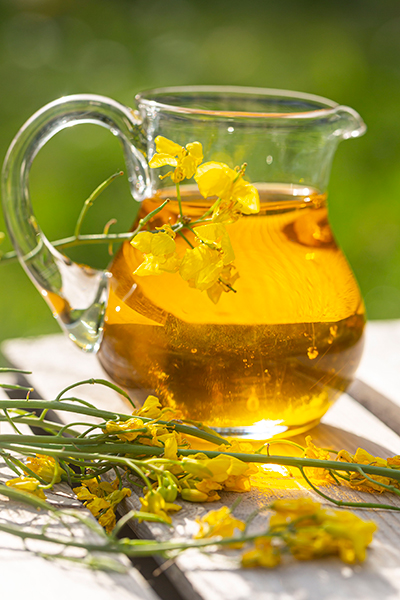
Source: Plant-derived, typically from rapeseed oil.

Role: Fatty-alcohol co-emulsifier and texture agent.

Source: Plant-derived, typically from rapeseed oil.

What it actually does: Thickens the formula and reinforces the conditioning film left by cationic ingredients, adding a velvety texture. Gentle enough for a sensitized scalp.

What it doesn’t do: On its own it doesn’t neutralize hair’s surface charge — its job is texture and stability, not conditioning.

Best for: Aloe + Oat Extract Conditioner for Dandruff & Sensitive Scalp routines, where richness is needed without irritation.

Golden rapeseed oil in a glass pitcher with yellow blossoms, illustrating naturally derived plant oils used in emulsifier science for skincare formulations.
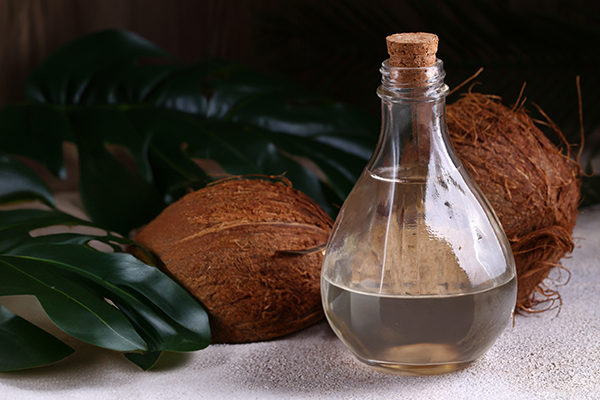
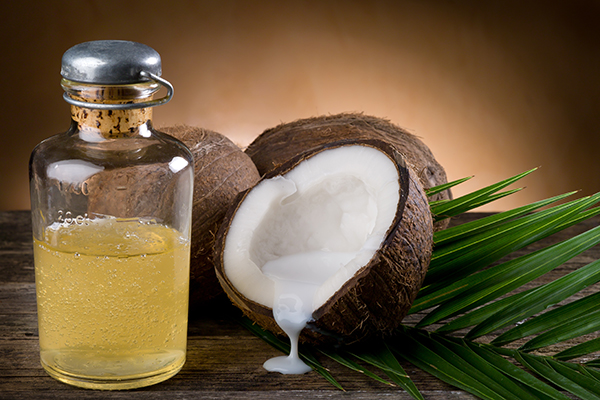
Glass bottle of coconut and palm oil beside whole coconuts and tropical leaves — natural moisturizing oils for ORY Skincare.

Cetearyl Alcohol

Source: A blend of cetyl and stearyl alcohols from coconut or palm oil.

Source: Derived from coconut or palm oil, a non-ionic emulsifier.

Source: A blend of cetyl and stearyl fatty alcohols, typically from coconut or palm-derived sources.

What it actually does: Stabilizes the emulsion and adds creamy, non-greasy glide — the main lever for how “rich” or “light” a formula feels.

Best for: UV Filter + Antioxidant Conditioner for Color-Treated hair, giving smooth glide without disturbing lightweight styling.

Cetyl Alcohol

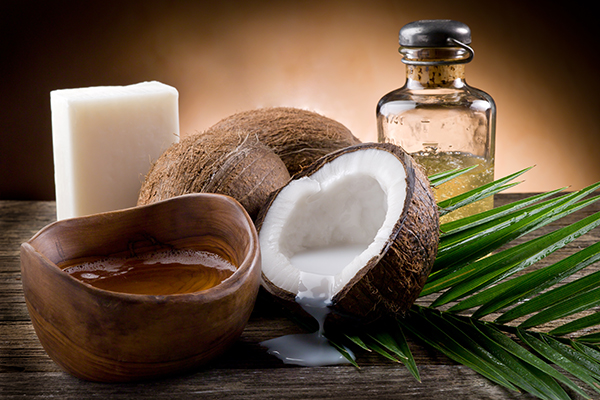
Source: Plant-based, often from coconut oil.

Role: The lightest fatty-alcohol co-emulsifier.

Source: Plant-based, often from coconut oil.

What it actually does: Provides mild slip and glide without weighing down finer strands.

Best for: Formulas for Fine & Oily hair that need light conditioning texture without richness.

Coconut oil with fresh coconuts, palm leaves, and wooden bowl — natural hydrating coconut oil for ORY Skincare.
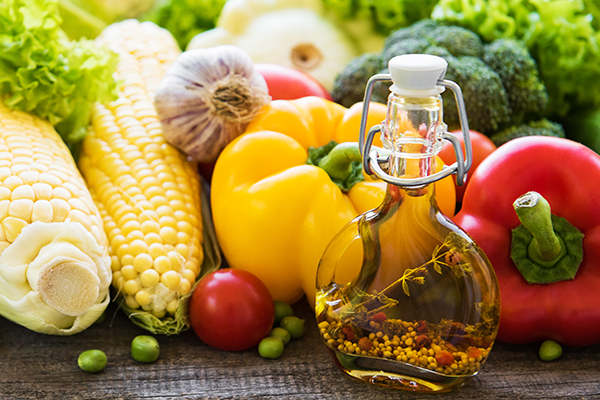
Cold-pressed botanical oil surrounded by fresh vegetables and herbs, representing naturally derived emulsifier science in ORY Skincare formulations.

Glyceryl Stearate

Source: Derived from glycerin and stearic acid, often from vegetable oils.

Role: Nonionic co-emulsifier.

Source: Derived from glycerin and stearic acid, often from vegetable oils.

What it actually does: Softens and locks in moisture for a plush, non-sticky finish, blending well with cationic ingredients in rich masks.

Best for: Shea + Argan Moisture Shampoo and Deep Repair Hair Mask, for Dry & Damaged hair needing nourishment.

Montanov 68

Source: Eco-certified, derived from sugar and coconut.

Role: True self-emulsifying system, non-cationic.

Source: Eco-certified, derived from sugar and coconut.

What it actually does: Creates stable, lamellar (layered) emulsions that mimic the hair’s own lipid layer structure, giving long-lasting smoothness without a heavy cationic load.

What it doesn’t do: It doesn’t neutralize surface charge the way BTMS-50 or cetrimonium chloride do — its contribution is texture and stability.

Best for: Shea + Castor Oil Leave-In for Curly & Coily hair seeking gentle, buildup-free hydration.

Bottle of coconut and palm oil beside fresh coconuts and palm leaves — natural moisturizing oils for ORY Skincare.

The Real Science of Conditioning: Charge, Not Just Emulsion Chemistry

Human hair’s isoelectric point sits around pH 3.6–3.7 — well below the pH of shampoo, conditioner, or scalp water. Above that point, keratin’s surface carries a net negative charge, more so where the cuticle is damaged, chemically processed, or color-treated. Cationic ingredients are drawn to that charge and bind to the hair shaft, reducing friction between fibers and making hair easier to comb wet. Recent electrokinetic and friction studies on human hair fibers confirm this mechanism directly, and it holds whether the cationic ingredient arrives inside an emulsion or in a simpler rinse. This is the actual conditioning science — emulsifiers are the delivery vehicle, not the mechanism.

Diagram showing how positively charged cationic ingredients bind to negatively charged hair to reduce friction and improve conditioning

How Emulsifiers Work, Where They're Used

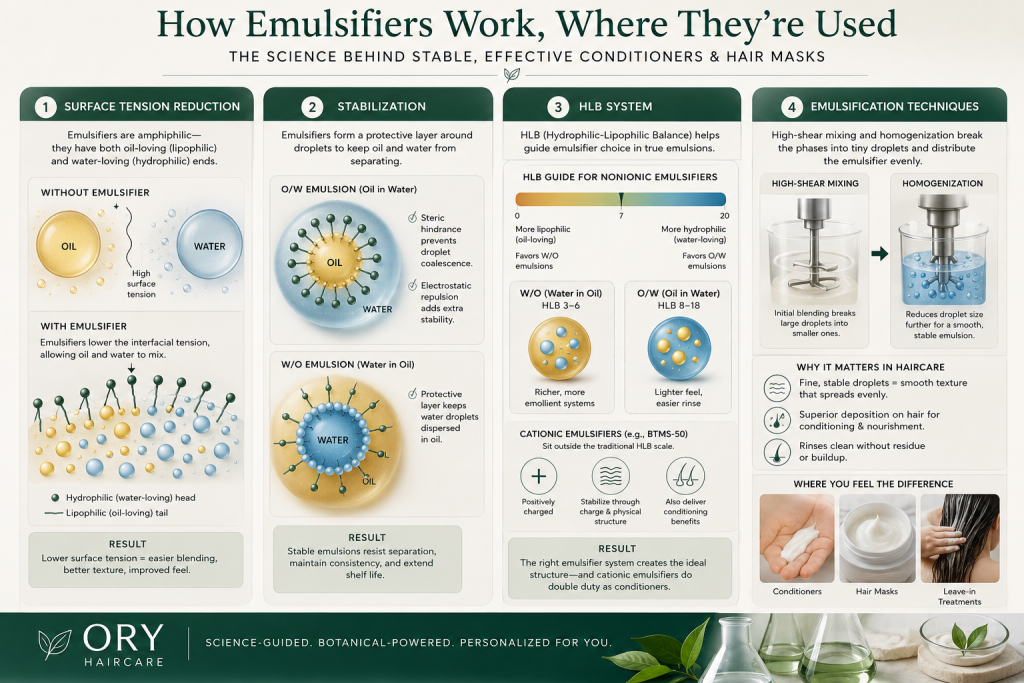
Infographic explaining emulsifier science in haircare, including oil and water stabilization, HLB, BTMS-50, high-shear mixing, conditioners and hair masks

Surface Tension Reduction: The amphiphilic nature of emulsifiers lowers the barrier between oil and water so the two phases blend instead of separating in the bottle.

Stabilization: Emulsifiers form a protective layer around oil or water droplets, preventing separation through steric hindrance or electrostatic repulsion.

HLB System: Within our true emulsions, the Hydrophilic-Lipophilic Balance (HLB) value guides whether a nonionic emulsifier favors O/W or W/O structure. Cationic emulsifiers like BTMS-50 sit outside the traditional HLB scale — they stabilize primarily through charge and physical structure, which is also what lets them double as conditioning agents.

Emulsification Techniques: High-shear mixing and homogenization create fine, stable droplets, so a conditioner or mask feels smooth and spreads evenly through wet hair.

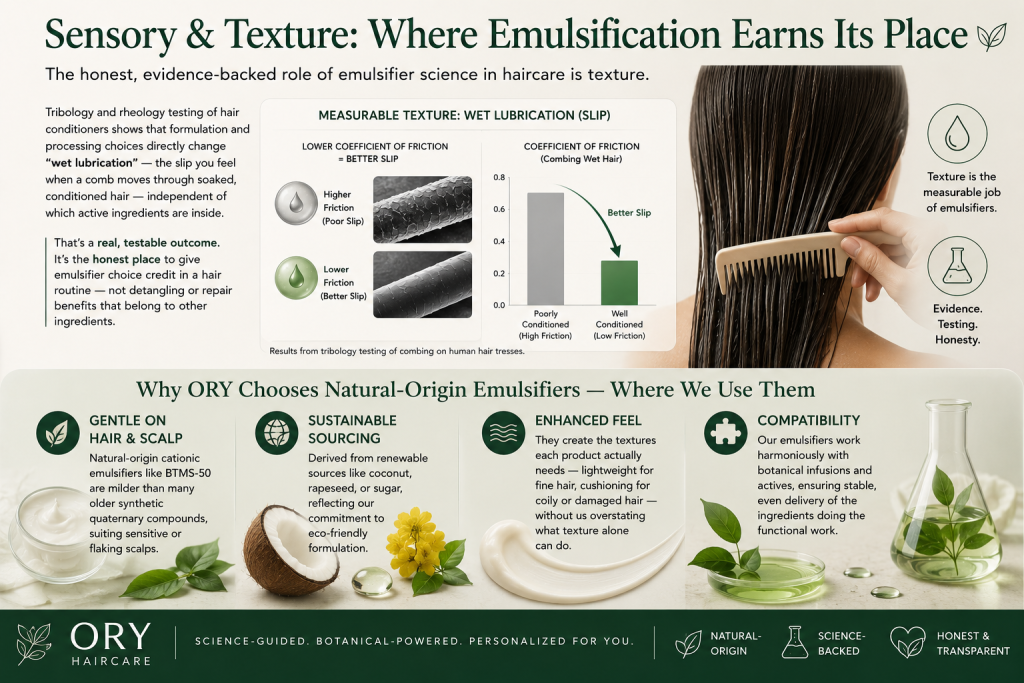
Sensory & Texture: Where Emulsification Earns Its Place

This is the honest headline for emulsifier science in haircare: its measurable, evidence-backed job is texture. Tribology and rheology testing of hair conditioners shows that formulation and processing choices directly change “wet lubrication” — the slip you feel when a comb moves through soaked, conditioned hair — independent of which active ingredients are inside. That’s a real, testable outcome, and it’s the honest place to give emulsifier choice credit in a hair routine, rather than crediting it with detangling or repair benefits that belong to other ingredients.

ORY infographic explaining emulsifier science, wet hair lubrication, conditioner texture and natural-origin emulsifiers in haircare

Why ORY Chooses Natural-Origin Emulsifiers — Where We Use Them

Gentle on Hair & Scalp: Natural-origin cationic emulsifiers like BTMS-50 are considered milder than many older synthetic quaternary compounds, suiting sensitive or flaking scalps.

Sustainable Sourcing: Derived from renewable sources like coconut, rapeseed, or sugar, reflecting our commitment to eco-friendly formulation.

Enhanced Feel: They create the textures each product actually needs — lightweight for fine hair, cushioning for coily or damaged hair — without us overstating what texture alone can do.

Compatibility: Our emulsifiers work harmoniously with botanical infusions and actives, ensuring stable, even delivery of the ingredients doing the functional work.

Emulsifiers in Your Custom Skincare

When you create a custom lotion on our Start Your Custom Order (#start-your-custom-order) page, you can trust our emulsifiers to bring your formula to life. Here’s how they enhance lotions for each skin type, based on our Skin Types section:

Normal Skin : Montanov 68 creates a silky, lightweight lotion with jojoba oil and green tea extract, maintaining balance without greasiness.

Dry Skin : Glyceryl stearate delivers a rich, nourishing texture with shea butter and rosehip oil, locking in hydration.

Oily Skin : Cetearyl alcohol ensures a matte, non-comedogenic finish with grape seed oil and tea tree oil, controlling shine.

Combination Skin : Cetyl alcohol provides a versatile, smooth texture with jojoba oil and Centella asiatica, balancing oily and dry zones.

Sensitive Skin : Behenyl alcohol offers a gentle, non-irritating base with sweet almond oil and chamomile extract, soothing redness.

Mature Skin : Glyceryl stearate enhances a plush, firming lotion with argan oil and vitamin C, reducing fine lines.

Acne-Prone Skin : Ceteareth-20 supports a lightweight, cleansing formula with squalane oil and salicylic acid, preventing clogged pores.

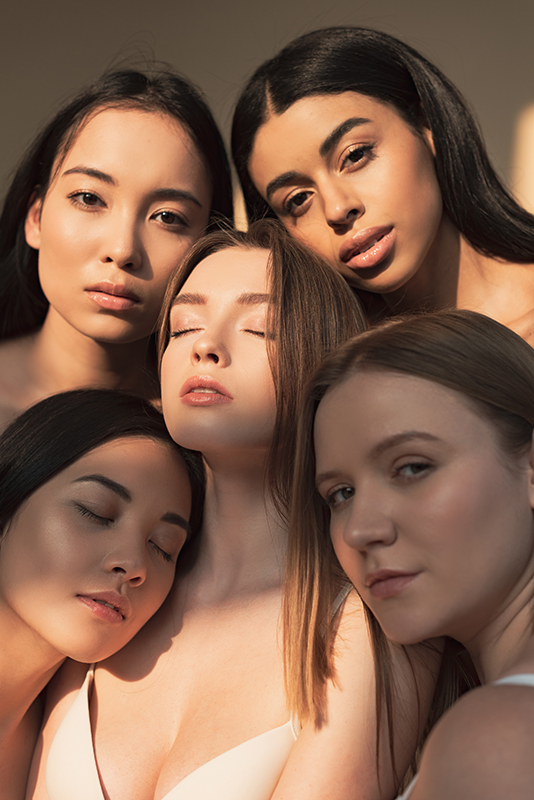
Diverse women with radiant skin in soft natural light, representing ORY Skincare’s emulsifier science that harmonizes oil and water for balanced, healthy skin.

Challenges and Solutions in Emulsifier Science

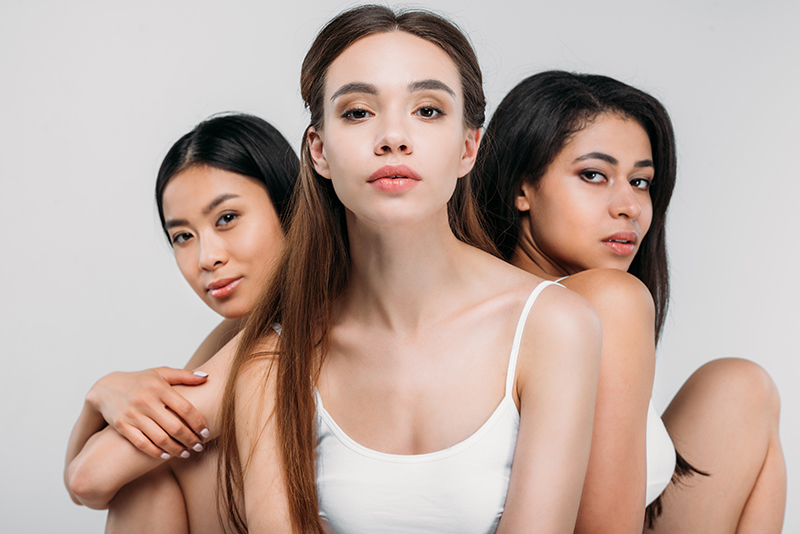
Three diverse women with radiant skin pose together, showcasing smooth, hydrated complexions that reflect ORY Skincare’s emulsifier science and skin-barrier–supporting formulations.

Creating stable emulsions isn’t without challenges, as noted in this Emulsifier Science section. Here’s how ORY addresses them:

Stability Over Time: We use eco-certified preservatives like phenoxyethanol and Germall Plus (Inside ORY section) alongside emulsifiers to prevent separation, ensuring your lotion remains fresh for 6–12 months when stored properly.

Sensory Properties: Our emulsifiers are chosen for their smooth, non-sticky feel, tailored to your skin type’s needs (e.g., lightweight for Oily skin, creamy for Dry skin).

Compatibility: We formulate with ingredients that complement emulsifiers, like botanical infusions and humectants, to avoid reactions and ensure efficacy.

Safety and Regulation: Our emulsifiers meet global cosmetic standards, are non-irritating, and are patch-test recommended, especially for Sensitive skin (Ingredients section).

Sustainability: By choosing plant-based emulsifiers like Montanov 68, we minimize environmental impact, aligning with our eco-friendly mission.

Elevate Your Skincare Ritual

Emulsifiers may work behind the scenes, but they’re the heart of ORY’s luxurious, effective formulations. They ensure your custom lotion—whether it’s a Squalane + Chamomile Serum for Sensitive skin or a Rosehip + Elderflower Elixir for Mature skin—feels as good as it performs. Paired with our laser-engraved bottles (Personalization), your skincare becomes a personalized masterpiece.

Explore the science behind your glow and start crafting your custom lotion today. Visit our Start Your Custom Order (#start-your-custom-order) page to choose your ingredients, or dive into our Skin Types page to find the perfect formula for your skin. Have questions? Contact our skincare experts at hello@oryskincare.com for personalized advice.

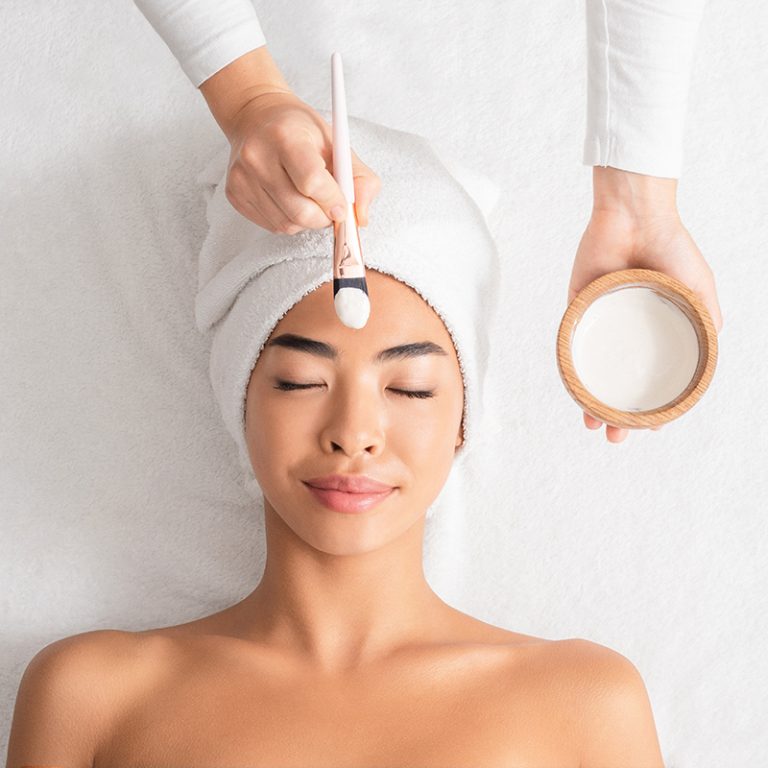
Facial treatment demonstrating emulsifier science as a cream mask is applied with a brush, showing smooth blending of oil and water phases for balanced, hydrated skin.

Shop Now at ORY Haircare

Let emulsifier science transform your haircare ritual